


Care Guide
Materials change with time and use. Colors may soften, surfaces may develop a patina, and textures may evolve. Some changes are part of a material's character. Others can be prevented with the right care.
A little care helps preserve what makes each piece distinctive.
Ceramics · Glass · Stainless Steel · Wax · Textiles · Special Materials
CERAMICS
Wipe glazed ceramics with a soft, damp cloth and dry them. Avoid abrasive sponges and scouring powders, which can scratch the glaze or dull its finish.
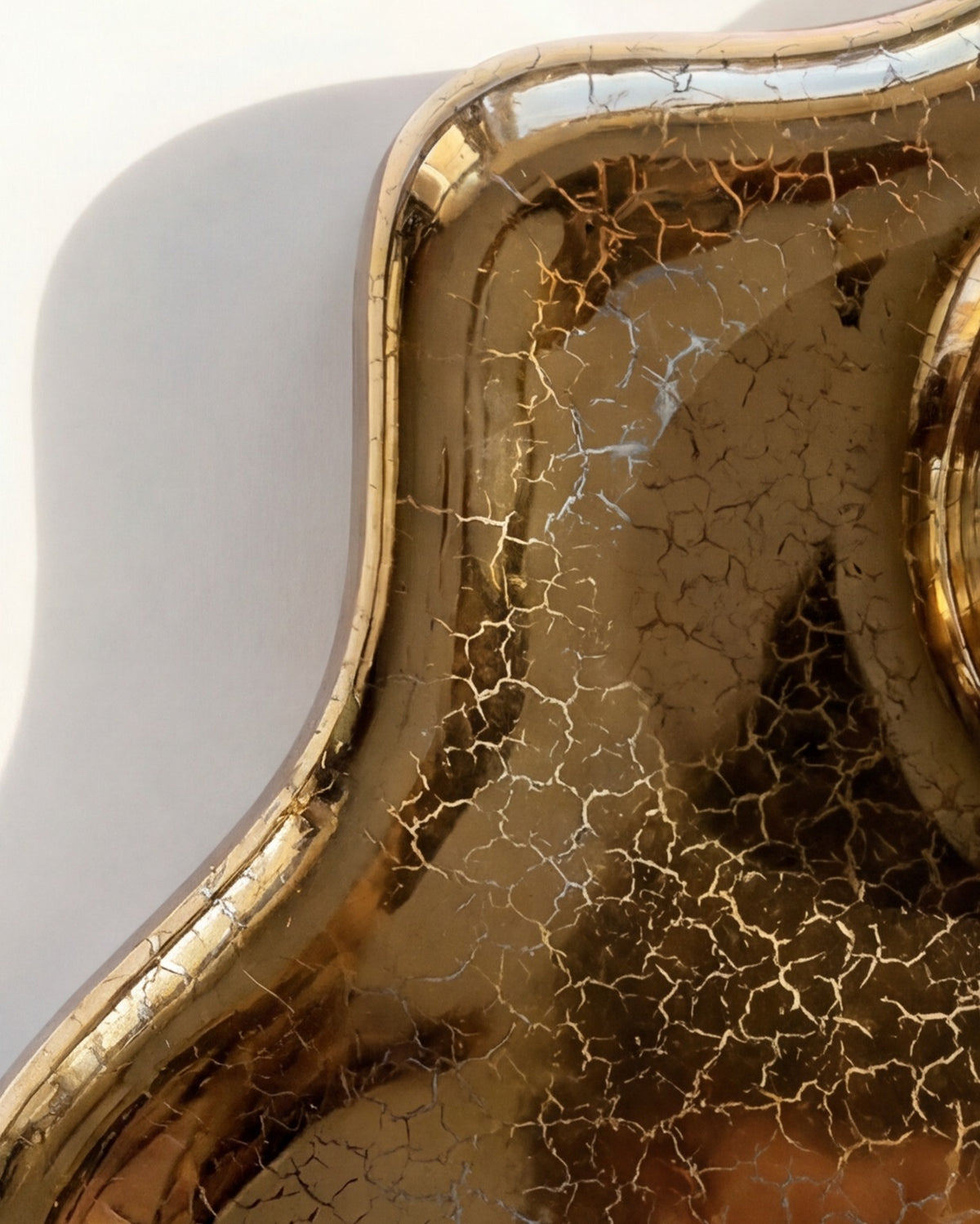
Metallic and luster glazes are more delicate. Wipe them lightly with a soft cloth and do not rub or polish them.
Handle ceramics with care, as knocks can chip edges and sudden temperature changes can cause cracks. Store pieces dry and slightly apart, away from metal such as cutlery, which can leave gray marks on some glazes.
Let ceramic candleholders cool completely before removing leftover wax, and avoid sharp tools that could scratch the glaze.
Use a piece with food, in the dishwasher, microwave or oven only if its product page or packaging says it is suitable. In the dishwasher, place it so it does not touch other items.

GLASS
Wash glass by hand with warm water and mild dish soap. Rinse and dry with a soft, lint-free cloth to prevent water spots. Avoid abrasive sponges, which can scratch the surface.
Avoid sudden temperature changes, which can cause glass to crack, for example when pouring a hot liquid into a cold glass. Do not stack glasses inside one another, as they can wedge together or chip at the rim.
Use glassware in the dishwasher or microwave only if its product page or packaging says it is suitable.
Let glass candleholders cool completely before removing leftover wax.

STAINLESS STEEL
Clean stainless steel with mild dish soap and a soft cloth or sponge. Rinse and dry thoroughly to prevent water spots.
Avoid abrasive cleaners and steel wool, which can scratch polished surfaces. Do not leave pieces soaking for extended periods, and avoid prolonged contact with salty or acidic liquids. Where dishwasher use is permitted, remove and dry pieces after the cycle.

WAX
Store candles and wax objects in a cool, dry place, away from radiators, sunny windowsills and other heat sources. Heat can soften or deform wax, while prolonged sunlight may fade its color.
Remove dust with a soft, dry cloth or brush. Handle wax gently, as fingernails and hard edges leave marks, and store pieces individually to prevent scratches.
When burning a candle, follow the instructions supplied with it. Safety information is on each candle's product page and in our safety guide (PDF).

TEXTILES
Shake out and air throws regularly. Avoid prolonged exposure to direct sunlight, which may fade colors.
Follow the product's care instructions when cleaning. Professional cleaning is recommended for delicate textiles where suitable for the material. Heat and excessive agitation can cause wool to shrink or felt. Store textiles clean, dry and folded.

SPECIAL MATERIALS
Care depends on both the material and its surface. Where a piece is painted, lacquered or coated, the finish usually determines how it should be cleaned.
Resin
Dust with a soft, dry cloth. Keep resin out of prolonged direct sunlight, as UV light can change its color, and away from direct heat, which can deform some resins.
ABS
Dust with a soft, dry cloth. Keep solvents such as acetone or nail polish remover away from ABS, as they damage the surface.
Surfaces and Finishes
Paint, lacquer and coatings are often more sensitive than the material beneath them. Dust with a soft, dry cloth, and avoid alcohol, solvents, abrasive cloths and harsh cleaning products.
For questions about caring for a piece, write to us at info@zummane.com.